What is sandtray therapy and why does it work?

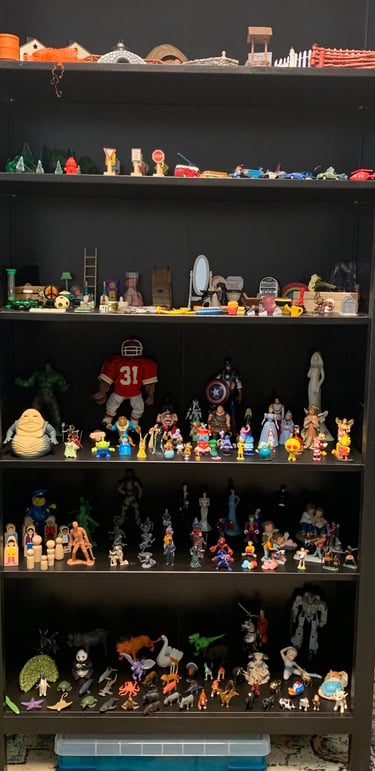
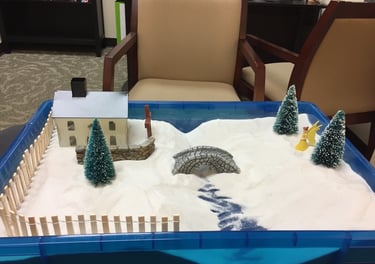
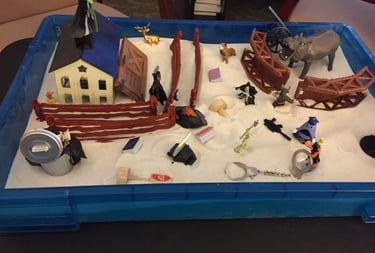
Sandtray therapy is an experiential technique that allows clients to create visual worlds using miniatures within a tray of sand. Emotional parts of the brain communicate better through image and metaphor, so sandtray therapy allows for the client and therapist to access these parts of the brain more easily. Sandtray therapy is a technique used for all ages and is is used in conjunction with talk therapy to process trauma and autobiographical memory.

Your body holds a lot of information about what you have learned about the world and what you are currently experiencing. In our society or because of trauma, we learn to ignore the messages our bodies are sending. Somatic Experiencing helps clients listen to the messages their bodies are sending and to complete any impulses that are stored in the body during trauma. Through gentle awareness of bodily sensations, emotions, and impulses, Somatic Experiencing helps restore the nervous system’s natural capacity for regulation and resilience. Sessions are paced carefully to avoid overwhelm, allowing the body to safely process and release stored survival energy over time.

colse-up photo of brown wooden doll

What is Somatic Experiencing?

What is "parts" work?

Internal Family Systems (IFS) is a parts-based therapy that views the mind as made up of different “parts,” each with its own role, emotions, and intentions. Rather than seeing these parts as problems to eliminate, IFS understands them as protective and meaningful, even when their strategies feel unhelpful. IFS helps you develop a compassionate, curious relationship with your inner system, guided by your core Self—a calm, grounded presence within everyone. By listening to and caring for your parts, you can heal emotional wounds, reduce inner conflict, and create lasting change rooted in self-trust and inner balance.